
TL;DR

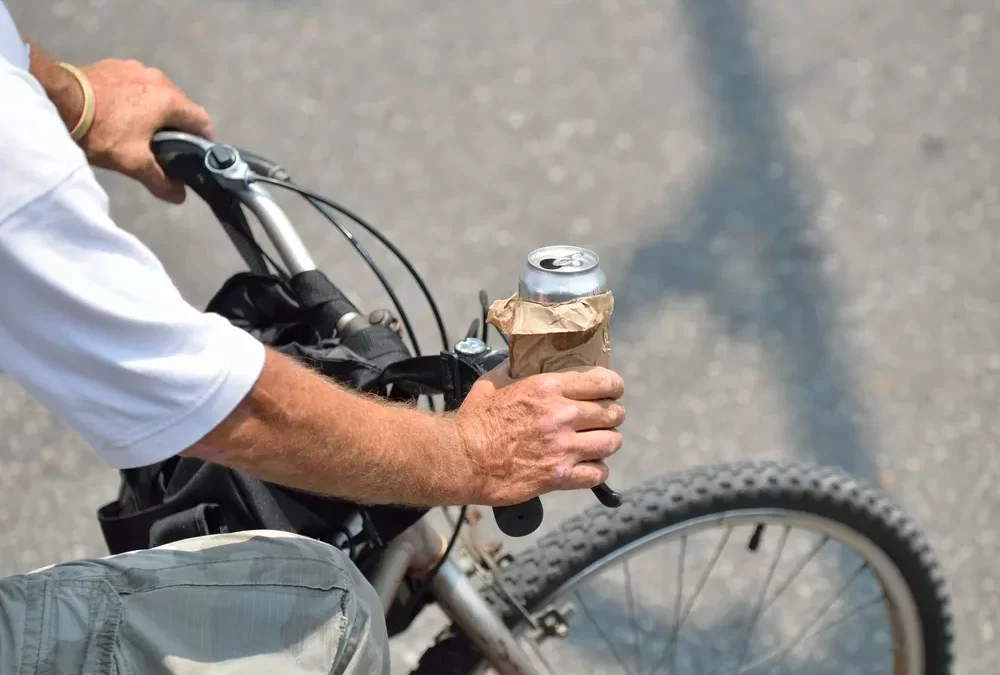
Yes, you can be charged for riding a bicycle under the influence in California — but it’s not treated the same as a standard DUI in a car. California Vehicle Code § 21200.5 makes it a misdemeanor to ride a bike while impaired by alcohol or drugs. The penalty is a maximum $250 fine, with no jail time and no license suspension for adults. However, if you’re under 21, a conviction can result in a 1-year license suspension. The offense goes on your criminal record but does not add points to your DMV license history.

While bicycles aren’t treated like motor vehicles under standard DUI laws, the state has a separate statute that makes it illegal to operate a bicycle while intoxicated.

So, can you get a DUI on a bicycle in California? Technically, no — at least not under the same statute used for cars. But California law has carved out a specific criminal offense for biking under the influence, with its own rules, penalties, and consequences. Whether you’re riding home from the bar or cruising through a neighborhood festival, knowing where the law draws the line could save you a court date and a criminal record.

Let’s unpack what the law actually says — and what you risk by pedaling under the influence.

Is a Bicycle Legally a Vehicle in California?

The confusion starts with a technicality: California’s DUI law — Vehicle Code § 23152 — only applies to “vehicles.” According to the Vehicle Code, a “vehicle” is a device that transports people or property, except those moved entirely by human power. That excludes bicycles from this category.

However, bicyclists are still required to follow most of the same traffic rules as drivers under California Vehicle Code § 21200. That includes obeying stop signs, riding on the correct side of the road, and yielding to pedestrians.

But when it comes to DUI laws? That’s where the rules diverge. Since bicycles don’t qualify as vehicles for DUI charges under § 23152, the California legislature created a separate law just for intoxicated cyclists: Vehicle Code § 21200.5.

This section makes it a misdemeanor to ride a bicycle on a public road while under the influence of alcohol, drugs, or both. So, while you can’t technically be charged with a “DUI” as a cyclist, you can absolutely be arrested and prosecuted for riding drunk — just under a different law.

The Law That Governs Drunk Cycling: VC § 21200.5

To fill the legal gap left by standard DUI laws, California created Vehicle Code § 21200.5, which specifically targets intoxicated cyclists. It states:

“It is unlawful for any person to ride a bicycle upon a highway while under the influence of an alcoholic beverage or any drug, or under the combined influence of an alcoholic beverage and any drug.”

Let’s break that down:

  • “Upon a highway” refers to any public street, road, or path — not just highways as we casually think of them. If it’s a public space shared with vehicles or pedestrians, this law applies. 
  • “Under the influence” doesn’t require a specific blood alcohol content (BAC) level. There’s no legal limit like 0.08% for cyclists. Instead, the standard is whether your physical or mental abilities are impaired to the point where you can no longer ride safely. 
  • Drugs and alcohol both qualify — and combining them increases your risk of being found impaired. 

One surprising detail: You’re not required to take a chemical test (breath or blood) if you’re stopped on a bike. In fact, the law says you may request one, but police can cite you based solely on field observations. If you smell like alcohol, are slurring, and can’t balance — that’s enough to trigger a charge.

What Is the Penalty for Riding a Bicycle Drunk?

Unlike a car DUI, the penalties for cycling under the influence are light — but still meaningful.

Here’s what California Vehicle Code § 21200.5 spells out:

  • Classification: Misdemeanor
  • Fine: Up to $250 (plus court fees)
  • Jail Time: None — the statute does not authorize incarceration
  • Court Appearance: Typically required
  • Probation: Sometimes informal probation (no check-ins or supervision)

That fine might sound manageable, but court assessments and surcharges can easily push your actual payment closer to $500–$600. More importantly, a conviction means a criminal record, which can show up on background checks and affect job prospects — especially in public safety, transportation, or healthcare.

And while there’s no required DUI school, community service, or SR-22 insurance filing for a bicycle offense, the long-term consequence is visibility: your misdemeanor will appear in public criminal databases unless expunged.

Does a Bicycle DUI Affect Your Driver’s License?

Adults (21 and over):

  • No license suspension
  • No DMV points
  • No automatic insurance increase 

That’s a major difference from car DUIs, where even a first offense triggers a minimum 6-month license suspension and mandatory reporting to the DMV.

But if you’re under 21?

The stakes are higher.

Under Vehicle Code § 13202.5, California courts must suspend your driver’s license for one year if you’re convicted of any drug or alcohol offense — including cycling under the influence.

If you don’t have a license yet? The DMV delays your eligibility by 12 months. Judges have limited discretion, though in some hardship cases, a restricted license might be allowed for school or work transportation.

Bottom line: adults won’t lose their license for riding drunk, but minors absolutely can — even if they never touched a steering wheel.

What Happens If You Refuse a Breath Test on a Bike?

When you’re pulled over for a DUI in a car, California’s implied consent law kicks in — meaning you’re legally required to submit to a chemical test or face automatic license suspension. But if you’re riding a bicycle?

Different rules.

Under Vehicle Code § 21200.5, there is no implied consent requirement for bicyclists. In fact, the law clearly states that a person arrested for riding under the influence “may request” a chemical test — and if they do, the officer must comply. But you can’t be penalized for declining one.

This means:

  • You are not obligated to blow into a breathalyzer 
  • Refusal doesn’t trigger additional charges or license suspension 
  • Officers can still cite you based on observed impairment (e.g., weaving, falling, glassy eyes, smell of alcohol) 

While testing is optional, it can sometimes help your case. For example, if you know you’re sober but an officer suspects otherwise, requesting a breath test could prove your innocence. But in most cases, the officer will proceed based on their observations alone.

How Police Actually Enforce Cycling Under the Influence

So, is this just a law on paper, or do people actually get arrested for biking drunk?

Short answer: Yes, but it’s not aggressively enforced.

Law enforcement agencies in California — including the CHP and local police — have issued citations and made arrests under VC § 21200.5, particularly in nightlife-heavy or college areas.

  • In Sacramento, a CHP operation once arrested seven cyclists in one night for riding under the influence. 
  • Police typically look for cyclists swerving, riding into traffic, or blowing through red lights — indicators of impaired coordination. 
  • Santa Monica police noted they will stop any cyclist showing signs of intoxication, though full arrests are rare. 

In most cases, if you’re riding slightly impaired but not posing a clear danger, you might get a warning. But if you’re riding dangerously, fall off your bike, or cause an accident, you can expect to be cited — or even detained for your safety.

Police have discretion, but the law gives them full authority to enforce, especially if public safety is at risk.

Other Devices: E-Bikes, Scooters, and More

The law is crystal clear for standard pedal-powered bicycles. But what about all those other two-wheeled devices popping up in California streets?

Let’s break it down:

✅ Applies under VC § 21200.5:

  • Traditional bicycles
  • Class 1–3 e-bikes (pedal-assist with max speed limits, as defined by California law) 

These are treated like regular bikes for DUI purposes. If you’re caught riding one under the influence, you face a $250 misdemeanor — not a full-blown DUI.

🚫 Subject to standard DUI law (VC § 23152):

  • Gas-powered mopeds
  • Throttle-based e-bikes that don’t meet state criteria
  • Electric scooters (like Bird, Lime, etc.)
  • Motorcycles

If your ride has a motor and no pedals, or exceeds class 3 speed limits, you’re in motor vehicle territory. That means you can be charged with a traditional DUI, with all the usual consequences: arrest, license suspension, jail, DUI school, and more.

Always check what kind of device you’re operating — the difference between a $250 fine and a $10,000 problem could hinge on the type of wheels you’re on.

Can You Expunge a Bicycle DUI Conviction?

Even though a bicycle DUI under VC § 21200.5 is treated as a low-level misdemeanor, it still leaves a mark — one that can show up on background checks for jobs, housing, or professional licenses.

Fortunately, you can petition for expungement in California once you’ve completed your sentence. That includes:

  • Paying your fine (and any court fees)
  • Completing any informal probation (if ordered) 

Once that’s done, you can file a petition under Penal Code § 1203.4. If granted, the conviction is dismissed, and most private employers can no longer use it against you.

Quick Recap: Bicycle vs Car DUI in California

Criteria Car DUI (VC § 23152) Bicycle DUI (VC § 21200.5)
Jail Time Up to 6 months (1st offense) None
Fine $390–$1,000 + court fees Up to $250 + fees
License Suspension Yes (6–12 months) No (unless under 21)
Mandatory DUI School Yes No
Criminal Record Yes (misdemeanor/felony) Yes (misdemeanor)
DMV Points Yes No
Court Appearance Required Yes Usually yes
Expungement Available? Yes Yes

FAQ

Q: Can I really be arrested for riding a bicycle drunk in California?
A: Yes. California Vehicle Code § 21200.5 makes it a misdemeanor to operate a bicycle under the influence. Depending on the situation, you may be cited and released or fully arrested — especially if you’re a danger to yourself or others.

Q: What is the penalty for riding a bicycle drunk in California?
A: A maximum $250 fine, plus court fees. No jail time. It’s a misdemeanor, which goes on your criminal record but does not affect your driver’s license if you’re 21 or older.

Q: Will this show up on a background check or insurance report?
A: Yes, it can appear as a misdemeanor on criminal background checks. It’s not assigned DMV points, so auto insurance is usually unaffected, but the conviction still appears on your record unless expunged.

Q: Do I have to take a breathalyzer or sobriety test?
A: No. Unlike motorists, bicyclists are not bound by implied consent laws. Officers can cite you based on observed behavior alone. You can request a chemical test, and they must provide it if asked.

Q: Can I lose my license for this?
A: Not if you’re over 21. But if you’re under 21, the court is required to suspend your license for one year, or delay your eligibility to get one.

Q: Can I expunge a bicycle DUI?
A: Yes. Once you’ve paid your fine and completed any informal probation, you can petition the court for expungement, removing the conviction from most background checks.

Stay Legal and Stay Safe — Even on Two Wheels

Cycling under the influence is still a crime, and while the penalties are lighter than a full DUI, the consequences are real: fines, a criminal record, and license issues for underage riders.

Looking for help navigating California DUI laws or education programs?
Jackson Bibby Awareness Group offers certified services — including programs for first-time and repeat offenders — with virtual and in-person options across California.

TL;DR

Yes, you can be charged for riding a bicycle under the influence in California — but it’s not treated the same as a standard DUI in a car. California Vehicle Code § 21200.5 makes it a misdemeanor to ride a bike while impaired by alcohol or drugs. The penalty is a maximum $250 fine, with no jail time and no license suspension for adults. However, if you’re under 21, a conviction can result in a 1-year license suspension. The offense goes on your criminal record but does not add points to your DMV license history.

While bicycles aren’t treated like motor vehicles under standard DUI laws, the state has a separate statute that makes it illegal to operate a bicycle while intoxicated.

So, can you get a DUI on a bicycle in California? Technically, no — at least not under the same statute used for cars. But California law has carved out a specific criminal offense for biking under the influence, with its own rules, penalties, and consequences. Whether you’re riding home from the bar or cruising through a neighborhood festival, knowing where the law draws the line could save you a court date and a criminal record.

Let’s unpack what the law actually says — and what you risk by pedaling under the influence.

Is a Bicycle Legally a Vehicle in California?

The confusion starts with a technicality: California’s DUI law — Vehicle Code § 23152 — only applies to “vehicles.” According to the Vehicle Code, a “vehicle” is a device that transports people or property, except those moved entirely by human power. That excludes bicycles from this category.

However, bicyclists are still required to follow most of the same traffic rules as drivers under California Vehicle Code § 21200. That includes obeying stop signs, riding on the correct side of the road, and yielding to pedestrians.

But when it comes to DUI laws? That’s where the rules diverge. Since bicycles don’t qualify as vehicles for DUI charges under § 23152, the California legislature created a separate law just for intoxicated cyclists: Vehicle Code § 21200.5.

This section makes it a misdemeanor to ride a bicycle on a public road while under the influence of alcohol, drugs, or both. So, while you can’t technically be charged with a “DUI” as a cyclist, you can absolutely be arrested and prosecuted for riding drunk — just under a different law.

The Law That Governs Drunk Cycling: VC § 21200.5

To fill the legal gap left by standard DUI laws, California created Vehicle Code § 21200.5, which specifically targets intoxicated cyclists. It states:

“It is unlawful for any person to ride a bicycle upon a highway while under the influence of an alcoholic beverage or any drug, or under the combined influence of an alcoholic beverage and any drug.”

Let’s break that down:

  • “Upon a highway” refers to any public street, road, or path — not just highways as we casually think of them. If it’s a public space shared with vehicles or pedestrians, this law applies. 
  • “Under the influence” doesn’t require a specific blood alcohol content (BAC) level. There’s no legal limit like 0.08% for cyclists. Instead, the standard is whether your physical or mental abilities are impaired to the point where you can no longer ride safely. 
  • Drugs and alcohol both qualify — and combining them increases your risk of being found impaired. 

One surprising detail: You’re not required to take a chemical test (breath or blood) if you’re stopped on a bike. In fact, the law says you may request one, but police can cite you based solely on field observations. If you smell like alcohol, are slurring, and can’t balance — that’s enough to trigger a charge.

What Is the Penalty for Riding a Bicycle Drunk?

Unlike a car DUI, the penalties for cycling under the influence are light — but still meaningful.

Here’s what California Vehicle Code § 21200.5 spells out:

  • Classification: Misdemeanor
  • Fine: Up to $250 (plus court fees)
  • Jail Time: None — the statute does not authorize incarceration
  • Court Appearance: Typically required
  • Probation: Sometimes informal probation (no check-ins or supervision)

That fine might sound manageable, but court assessments and surcharges can easily push your actual payment closer to $500–$600. More importantly, a conviction means a criminal record, which can show up on background checks and affect job prospects — especially in public safety, transportation, or healthcare.

And while there’s no required DUI school, community service, or SR-22 insurance filing for a bicycle offense, the long-term consequence is visibility: your misdemeanor will appear in public criminal databases unless expunged.

Does a Bicycle DUI Affect Your Driver’s License?

Adults (21 and over):

  • No license suspension
  • No DMV points
  • No automatic insurance increase 

That’s a major difference from car DUIs, where even a first offense triggers a minimum 6-month license suspension and mandatory reporting to the DMV.

But if you’re under 21?

The stakes are higher.

Under Vehicle Code § 13202.5, California courts must suspend your driver’s license for one year if you’re convicted of any drug or alcohol offense — including cycling under the influence.

If you don’t have a license yet? The DMV delays your eligibility by 12 months. Judges have limited discretion, though in some hardship cases, a restricted license might be allowed for school or work transportation.

Bottom line: adults won’t lose their license for riding drunk, but minors absolutely can — even if they never touched a steering wheel.

What Happens If You Refuse a Breath Test on a Bike?

When you’re pulled over for a DUI in a car, California’s implied consent law kicks in — meaning you’re legally required to submit to a chemical test or face automatic license suspension. But if you’re riding a bicycle?

Different rules.

Under Vehicle Code § 21200.5, there is no implied consent requirement for bicyclists. In fact, the law clearly states that a person arrested for riding under the influence “may request” a chemical test — and if they do, the officer must comply. But you can’t be penalized for declining one.

This means:

  • You are not obligated to blow into a breathalyzer 
  • Refusal doesn’t trigger additional charges or license suspension 
  • Officers can still cite you based on observed impairment (e.g., weaving, falling, glassy eyes, smell of alcohol) 

While testing is optional, it can sometimes help your case. For example, if you know you’re sober but an officer suspects otherwise, requesting a breath test could prove your innocence. But in most cases, the officer will proceed based on their observations alone.

How Police Actually Enforce Cycling Under the Influence

So, is this just a law on paper, or do people actually get arrested for biking drunk?

Short answer: Yes, but it’s not aggressively enforced.

Law enforcement agencies in California — including the CHP and local police — have issued citations and made arrests under VC § 21200.5, particularly in nightlife-heavy or college areas.

  • In Sacramento, a CHP operation once arrested seven cyclists in one night for riding under the influence. 
  • Police typically look for cyclists swerving, riding into traffic, or blowing through red lights — indicators of impaired coordination. 
  • Santa Monica police noted they will stop any cyclist showing signs of intoxication, though full arrests are rare. 

In most cases, if you’re riding slightly impaired but not posing a clear danger, you might get a warning. But if you’re riding dangerously, fall off your bike, or cause an accident, you can expect to be cited — or even detained for your safety.

Police have discretion, but the law gives them full authority to enforce, especially if public safety is at risk.

Other Devices: E-Bikes, Scooters, and More

The law is crystal clear for standard pedal-powered bicycles. But what about all those other two-wheeled devices popping up in California streets?

Let’s break it down:

✅ Applies under VC § 21200.5:

  • Traditional bicycles
  • Class 1–3 e-bikes (pedal-assist with max speed limits, as defined by California law) 

These are treated like regular bikes for DUI purposes. If you’re caught riding one under the influence, you face a $250 misdemeanor — not a full-blown DUI.

🚫 Subject to standard DUI law (VC § 23152):

  • Gas-powered mopeds
  • Throttle-based e-bikes that don’t meet state criteria
  • Electric scooters (like Bird, Lime, etc.)
  • Motorcycles

If your ride has a motor and no pedals, or exceeds class 3 speed limits, you’re in motor vehicle territory. That means you can be charged with a traditional DUI, with all the usual consequences: arrest, license suspension, jail, DUI school, and more.

Always check what kind of device you’re operating — the difference between a $250 fine and a $10,000 problem could hinge on the type of wheels you’re on.

Can You Expunge a Bicycle DUI Conviction?

Even though a bicycle DUI under VC § 21200.5 is treated as a low-level misdemeanor, it still leaves a mark — one that can show up on background checks for jobs, housing, or professional licenses.

Fortunately, you can petition for expungement in California once you’ve completed your sentence. That includes:

  • Paying your fine (and any court fees)
  • Completing any informal probation (if ordered) 

Once that’s done, you can file a petition under Penal Code § 1203.4. If granted, the conviction is dismissed, and most private employers can no longer use it against you.

Quick Recap: Bicycle vs Car DUI in California

Criteria Car DUI (VC § 23152) Bicycle DUI (VC § 21200.5)
Jail Time Up to 6 months (1st offense) None
Fine $390–$1,000 + court fees Up to $250 + fees
License Suspension Yes (6–12 months) No (unless under 21)
Mandatory DUI School Yes No
Criminal Record Yes (misdemeanor/felony) Yes (misdemeanor)
DMV Points Yes No
Court Appearance Required Yes Usually yes
Expungement Available? Yes Yes

FAQ

Q: Can I really be arrested for riding a bicycle drunk in California?
A: Yes. California Vehicle Code § 21200.5 makes it a misdemeanor to operate a bicycle under the influence. Depending on the situation, you may be cited and released or fully arrested — especially if you’re a danger to yourself or others.

Q: What is the penalty for riding a bicycle drunk in California?
A: A maximum $250 fine, plus court fees. No jail time. It’s a misdemeanor, which goes on your criminal record but does not affect your driver’s license if you’re 21 or older.

Q: Will this show up on a background check or insurance report?
A: Yes, it can appear as a misdemeanor on criminal background checks. It’s not assigned DMV points, so auto insurance is usually unaffected, but the conviction still appears on your record unless expunged.

Q: Do I have to take a breathalyzer or sobriety test?
A: No. Unlike motorists, bicyclists are not bound by implied consent laws. Officers can cite you based on observed behavior alone. You can request a chemical test, and they must provide it if asked.

Q: Can I lose my license for this?
A: Not if you’re over 21. But if you’re under 21, the court is required to suspend your license for one year, or delay your eligibility to get one.

Q: Can I expunge a bicycle DUI?
A: Yes. Once you’ve paid your fine and completed any informal probation, you can petition the court for expungement, removing the conviction from most background checks.

Stay Legal and Stay Safe — Even on Two Wheels

Cycling under the influence is still a crime, and while the penalties are lighter than a full DUI, the consequences are real: fines, a criminal record, and license issues for underage riders.

Looking for help navigating California DUI laws or education programs?
Jackson Bibby Awareness Group offers certified services — including programs for first-time and repeat offenders — with virtual and in-person options across California.